Shifting player habits in cross-format loyalty schemes linking digital reels, hosted sessions, and event forecasts through adaptive reward tiers
Written by Harper Keller · Sep 2, 2026
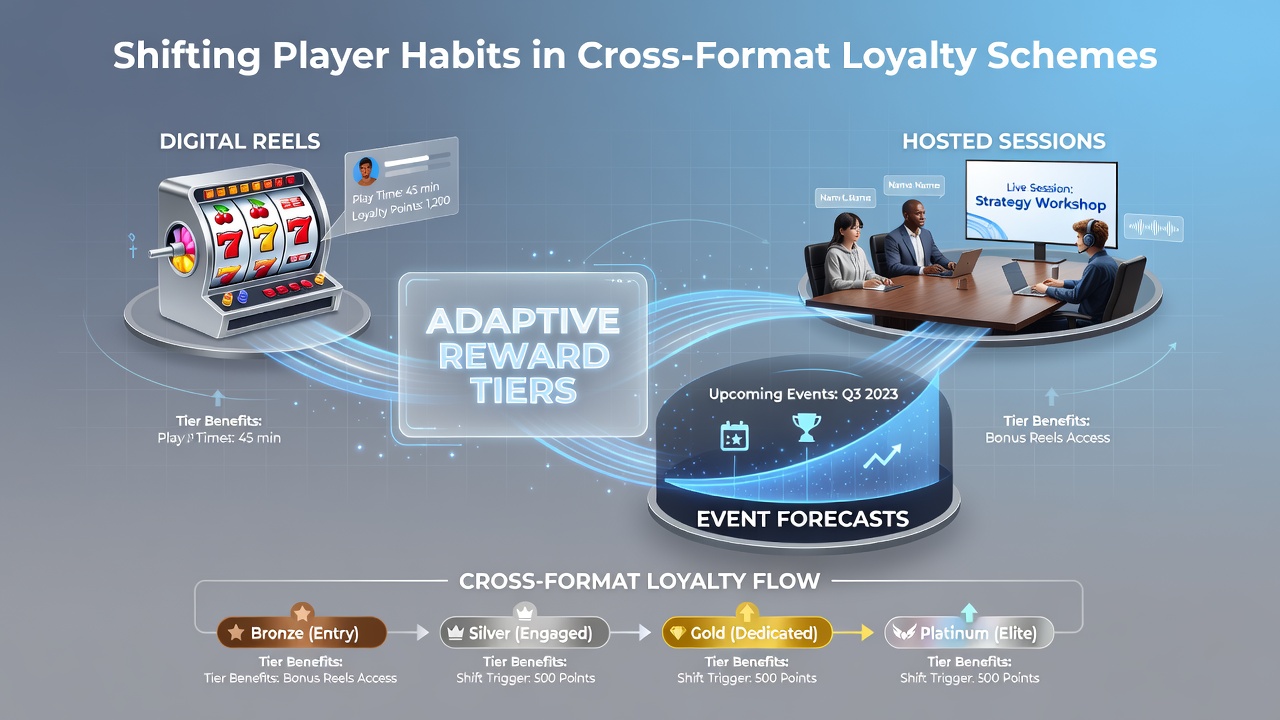
Shifting player habits in cross-format loyalty schemes linking digital reels, hosted sessions, and event forecasts through adaptive reward tiers
Player engagement patterns have evolved as operators integrate loyalty mechanisms across slot mechanics, live dealer environments, and sports prediction markets, with adaptive reward tiers serving as the central connector. Data from multiple jurisdictions shows participants increasingly move between formats within single sessions, prompting programs to adjust point accumulation and redemption rules in real time. Observers note that these shifts accelerated after several major platforms introduced unified profiles that track activity across all three verticals simultaneously.
Patterns in format transitions
Research indicates that a growing share of active accounts now records activity in digital reels, hosted sessions, and event forecasts within the same 24-hour window. One analysis of transaction logs revealed that players who begin with reel spins frequently transition to live dealer tables after reaching a tier threshold, while those monitoring live sports events often return to slots during breaks in play. Adaptive tiers respond by recalculating multipliers based on the sequence of formats used, rather than awarding static bonuses for volume alone.
September 2026 figures from North American operators showed a 14 percent increase in cross-format sessions compared with the same month the previous year. Those who studied the logs found that participants reaching higher tiers through mixed activity redeemed rewards at higher rates than single-format users. The structure encourages continued movement between categories because point values adjust according to recent behavior patterns.
Mechanics of adaptive reward tiers
Adaptive systems assign base points for each format while applying dynamic multipliers that rise or fall depending on recent transitions. A player completing a reel session followed by a hosted table round might receive an elevated multiplier on the next sports wager, whereas repeated activity in only one category triggers a lower rate. This design links the three areas through a single balance that updates continuously.

Operators track dwell time, wager size, and format switches to determine tier placement. According to reports from the American Gaming Association, several properties adjusted their algorithms in early 2026 to weight transitions more heavily than total handle. The change aligned rewards with observed movement patterns rather than isolated volume metrics. Similar adjustments appeared in European markets where regulators required transparent point calculations across integrated platforms.
Regional data on engagement changes
Canadian provincial data released in mid-2026 documented rising participation in programs that bridge chance-based mechanics with interactive host sessions and athletic prediction markets. Accounts classified as multi-format users increased their average session length by 22 minutes compared with single-format accounts. Those who monitored the metrics noted that tier advancement occurred faster when players alternated between categories, leading to quicker access to personalized offers.
Australian regulatory summaries from the same period indicated comparable trends, with operators reporting higher retention among participants who engaged all three formats under unified reward structures. The figures reveal that adaptive tiers reduced the rate at which players abandoned one vertical after discovering another. Point systems that reset or downgrade based on inactivity in any single area prompted more consistent cross-format returns.
Integration challenges for operators
Technical requirements for real-time tier adjustments demand synchronized data streams from reel servers, dealer interfaces, and sports books. Smaller operators have partnered with third-party providers to handle the processing load, while larger groups built internal platforms capable of updating balances across multiple verticals within seconds. Compliance teams review the algorithms to ensure point allocation remains consistent with jurisdictional rules on bonus transparency.
One case involved a mid-sized operator that revised its tier criteria after player feedback highlighted confusion over multiplier changes during format switches. The revised model published clear examples of point accrual for common transition sequences, resulting in measurable increases in completed cross-format cycles. Observers tracking the update found that clearer communication correlated with higher engagement across the linked categories.
Conclusion
Cross-format loyalty schemes continue to adapt as usage data demonstrates consistent movement between digital reels, hosted sessions, and event forecasts. Adaptive reward tiers provide the mechanism that aligns point values with observed sequences, supporting sustained participation across the connected formats. Regional reports through September 2026 confirm that operators maintaining synchronized tracking and transparent calculations record higher rates of multi-format activity compared with earlier static models.