Regulatory Tailoring and Its Impact on Cross-Mechanic Reward Linkages in Emerging Digital Play Zones
Written by Elena Lehmann · Aug 26, 2026
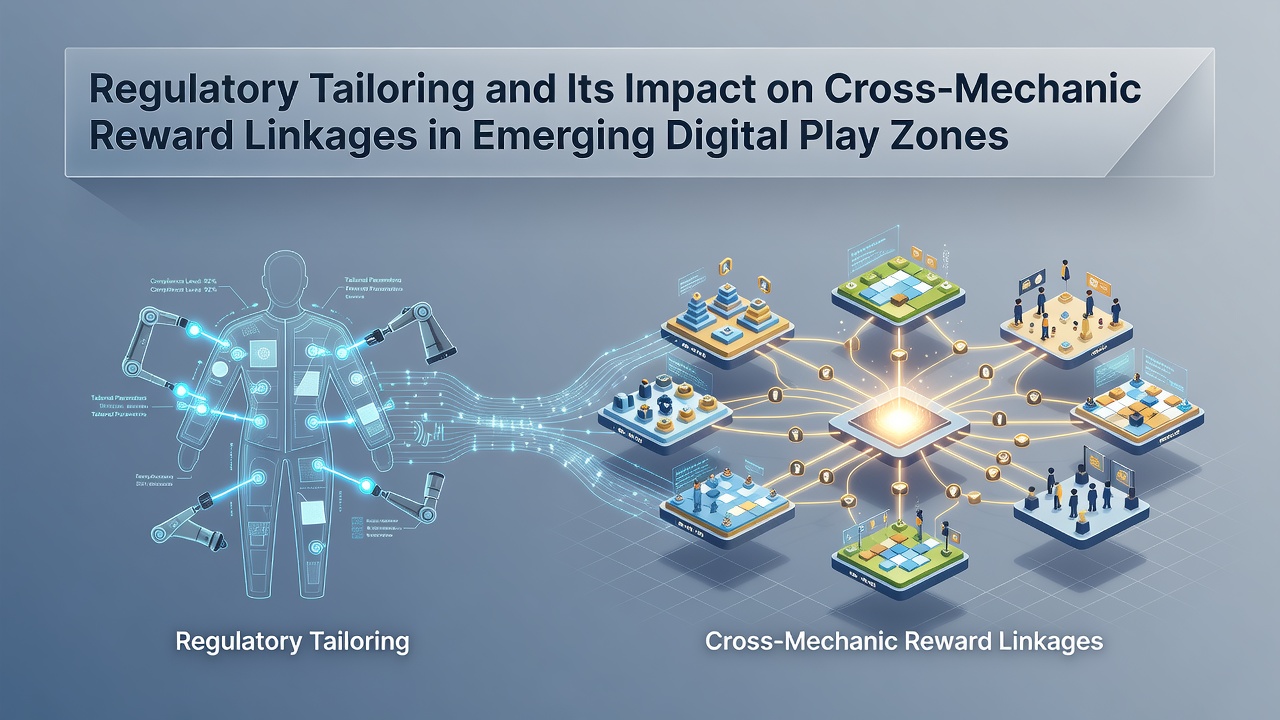
Regulatory Tailoring and Its Impact on Cross-Mechanic Reward Linkages in Emerging Digital Play Zones
Regulatory tailoring refers to the process where jurisdictions adjust licensing conditions, compliance standards, and operational rules to fit local market conditions, and this practice directly shapes how reward linkages operate across different game formats in digital play zones. Observers note that emerging platforms must align bonus structures, loyalty points, and cross-game promotions with these varied requirements, which creates distinct patterns in how players move value between slot reels, table simulations, and event-based wagers.
Defining Regulatory Tailoring in Digital Gambling Contexts
Authorities in different regions apply customized frameworks that address technology access, player verification, and revenue reporting while leaving room for operators to connect mechanics such as progressive jackpots with live dealer sessions or athletic prediction markets. Data from regulatory filings indicate that these adaptations often require separate approval pathways for reward transfer protocols, especially when a single player account spans multiple game categories. Researchers have documented cases where tailored rules limit or permit the conversion of loyalty credits earned on chance-based games into credits usable on interactive host sessions, and such distinctions appear most clearly in markets that opened new licensing rounds between 2024 and 2026.
Mechanics of Cross-Game Reward Linkages
Cross-mechanic reward linkages function through unified player profiles that track activity across formats and apply multiplier rules or tiered bonuses based on combined volume. Studies from industry research groups show that linkage systems rely on real-time data feeds to calculate eligibility, yet these feeds must comply with jurisdiction-specific data localization mandates and audit trails. When regulators impose format-specific restrictions, operators adjust the linkage algorithms so that rewards generated in one mechanic do not automatically transfer to another without additional verification steps. Figures from platform performance reports reveal that markets with stricter tailoring experience slower rollout of seamless reward chains, while those with more flexible guidelines see faster integration of slot, table, and sportsbook elements within the same mobile session.
Regional Examples of Tailoring Effects
In North American jurisdictions that introduced digital play zones after 2023, licensing conditions frequently require separate risk assessments for each mechanic before reward linkages receive approval. One analysis of state-level data found that operators in these zones must demonstrate independent responsible gaming controls for each format even when accounts remain unified. European markets that updated remote gambling directives in 2025 have applied similar tailoring, requiring operators to segment bonus pools by game type while still allowing limited cross-format redemptions under audited conditions. Australian state regulators have published guidance that ties linkage permissions to local harm minimization targets, resulting in staggered implementation timelines across different territories.
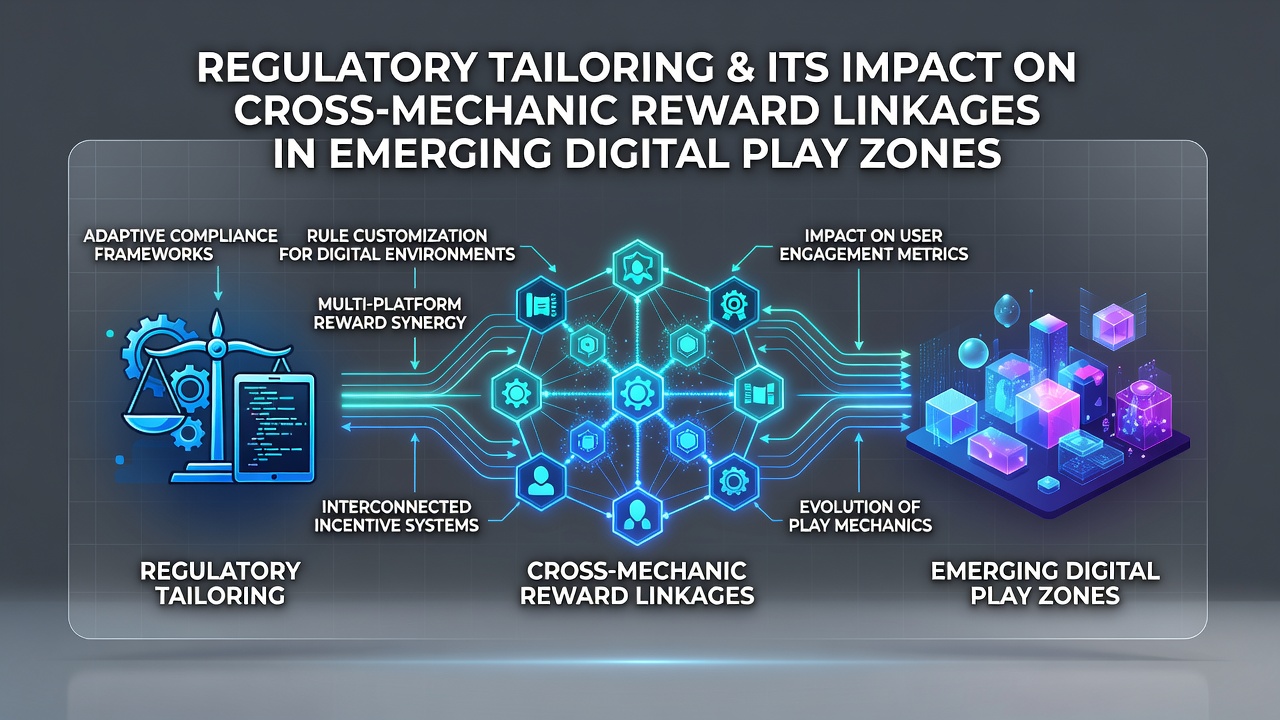
August 2026 figures from several licensed operators indicate that platforms operating under recently tailored rules achieved between 12 and 18 percent higher retention when reward linkages remained active across at least two mechanics, compared with segments where transfers faced additional friction. Those metrics align with earlier patterns observed in markets that completed licensing updates during the first half of 2025.
Technical and Compliance Adjustments
Operators respond to tailored regulations by building modular backend systems that isolate reward ledgers for each mechanic while maintaining a shared user interface. Compliance teams conduct periodic mapping exercises to ensure that point accrual rates, redemption thresholds, and expiration rules satisfy every applicable jurisdiction. Academic reviews of these systems highlight that linkage failures most often occur when an operator attempts to apply a uniform bonus rule across regions with conflicting reporting intervals or player protection triggers. Industry associations have issued technical standards that recommend API-level segmentation to reduce the risk of non-compliance during cross-border player activity.
According to reports issued by the Canadian Centre on Substance Use and Addiction, tailored rules in several provinces have prompted operators to maintain separate audit logs for reward transfers involving sports prediction markets. Similar documentation requirements appear in guidance from the Victorian Responsible Gambling Foundation, where linkage approvals depend on demonstrated alignment with regional harm reduction targets.
Conclusion
Regulatory tailoring continues to define the boundaries within which cross-mechanic reward linkages develop in emerging digital play zones. Jurisdictions that maintain distinct compliance paths for each game format produce measurable differences in how quickly operators can deploy unified reward systems, and these differences appear consistently in performance data collected through 2026. Observers tracking licensing trends note that future expansions of digital play zones will likely retain this segmented approach, requiring ongoing technical and procedural adjustments from platform operators.