Payment Integration Patterns Supporting Seamless Game Category Transitions in Licensed Gambling Environments
Written by Cameron Otto · Sep 30, 2026
Payment Integration Patterns Supporting Seamless Game Category Transitions in Licensed Gambling Environments
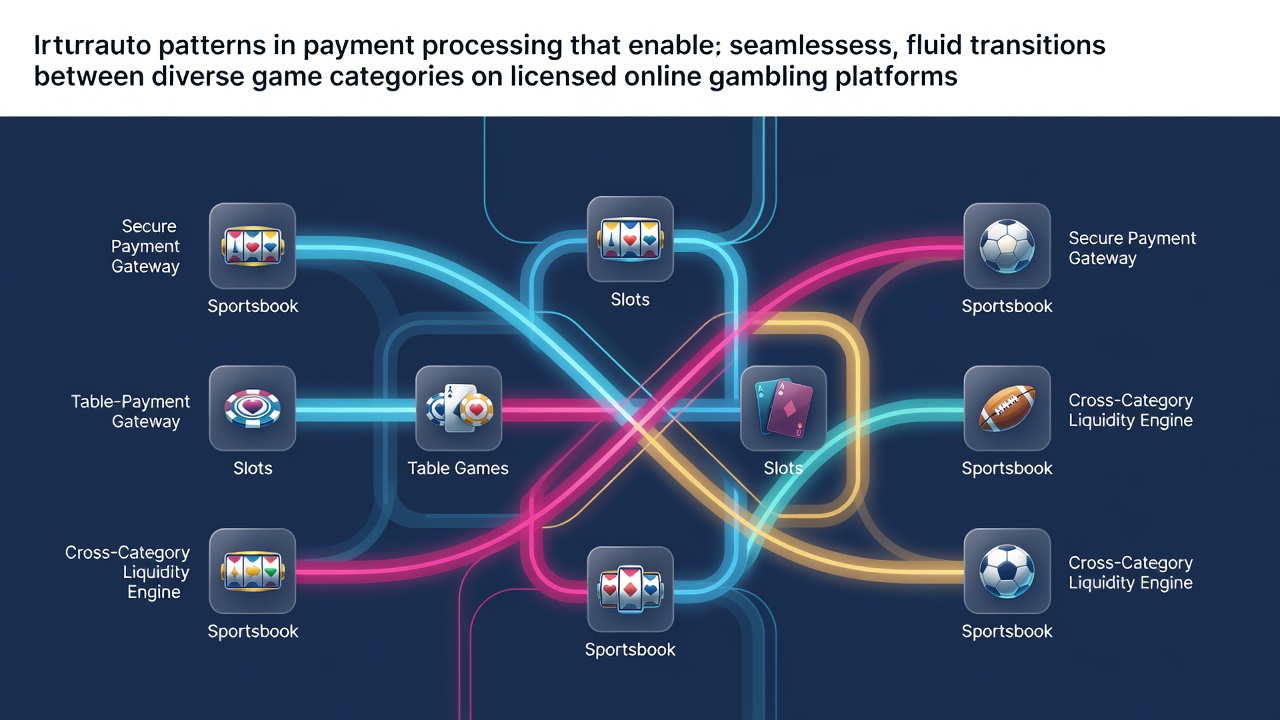
Payment processing systems in licensed gambling sites rely on standardized APIs and unified wallet architectures that permit instant balance synchronization when players move between slots, live dealer tables, and sportsbooks. These patterns emerged from regulatory requirements in multiple jurisdictions that demand real-time transaction logging while maintaining separate game category ledgers for compliance tracking. Data compiled through September 2026 shows continued expansion of such integrations across North American and European markets, driven by updates to digital payment directives that prioritize interoperability.
Core Technical Patterns in Cross-Category Transfers
Operators implement token-based authorization layers that validate funds once at the account level before routing them to specific game engines without requiring repeated authentication steps. This approach reduces latency during switches, such as when a player exits a slot session and enters a live dealer environment, because the backend maintains a single credit pool visible across all modules. Research from industry analytics groups indicates that platforms using these token systems record average transition times under three seconds, compared with older segregated wallet models that often exceeded fifteen seconds per switch.
Batch reconciliation protocols run at fixed intervals, typically every fifteen minutes, to align transaction records with regulatory reporting standards. These protocols flag any discrepancies in real time and trigger automated holds until verification completes. Observers note that this pattern supports fluid movement while preserving audit trails required by licensing bodies in regions like Malta and several Canadian provinces.
Role of Unified Wallets in Multi-Format Ecosystems
Unified wallet designs consolidate deposits, withdrawals, and bonuses into one visible balance that game servers query dynamically. When a user initiates a transfer from sports betting odds to a progressive slot pool, the system executes an internal ledger entry rather than an external bank call, which avoids additional processing fees and settlement delays. Figures released in mid-2026 by the Victorian Commission for Gambling and Liquor Regulation document a measurable uptick in cross-category session lengths following the adoption of these wallets in licensed Australian platforms.
Security layers incorporate multi-factor confirmation only at the initial funding stage, after which session tokens handle subsequent game entries. This reduces friction without compromising fraud detection, because machine learning models monitor behavioral patterns across the entire account rather than isolated game segments. Those who have analyzed transaction logs report that anomaly detection accuracy improves when data streams from slots, tables, and betting markets feed into a common analytics engine.
Regulatory Influences on Payment Flow Design
Licensing conditions in several markets now mandate that operators demonstrate seamless fund movement capabilities as part of their compliance audits. European regulators, for instance, require evidence that players can access winnings from any game category without manual intervention or category-specific withdrawal requests. The European Gaming and Betting Association published aggregated statistics in September 2026 showing that sites meeting these standards experienced higher retention metrics across diverse game portfolios.
Payment service providers have responded by offering modular gateways that plug into existing casino management systems. These gateways support multiple currencies and payment rails while enforcing spend limits that apply uniformly regardless of which game category a player selects. Case examples from operators in New Jersey and Ontario illustrate how such gateways allow real-time limit adjustments that carry over automatically when a session transitions from sports wagers to live table play.
Future Developments in Transaction Architecture
Emerging standards around open banking and instant settlement rails continue to shape how licensed platforms handle inter-category movement. Developers test blockchain-based settlement layers in controlled pilots, aiming to reduce reconciliation windows from minutes to seconds while retaining full traceability demanded by regulators. Early results shared at industry forums suggest these layers could further minimize player-perceived delays during rapid switches between chance-based and skill-influenced formats.
Conclusion
Patterns in payment processing that enable fluid movement rest on unified ledgers, token authorization, and synchronized reconciliation protocols that licensed operators deploy to meet both user expectations and regulatory mandates. Continued refinement of these systems, supported by data through September 2026, points toward even tighter integration across game categories while preserving the auditability required for ongoing market access.