Navigating Cross-Border Regulatory Shifts That Align Player Incentives Across Reel Mechanics, Dealer Interfaces, and Betting Markets in Emerging Digital Platforms
Written by Cameron Otto · Aug 21, 2026
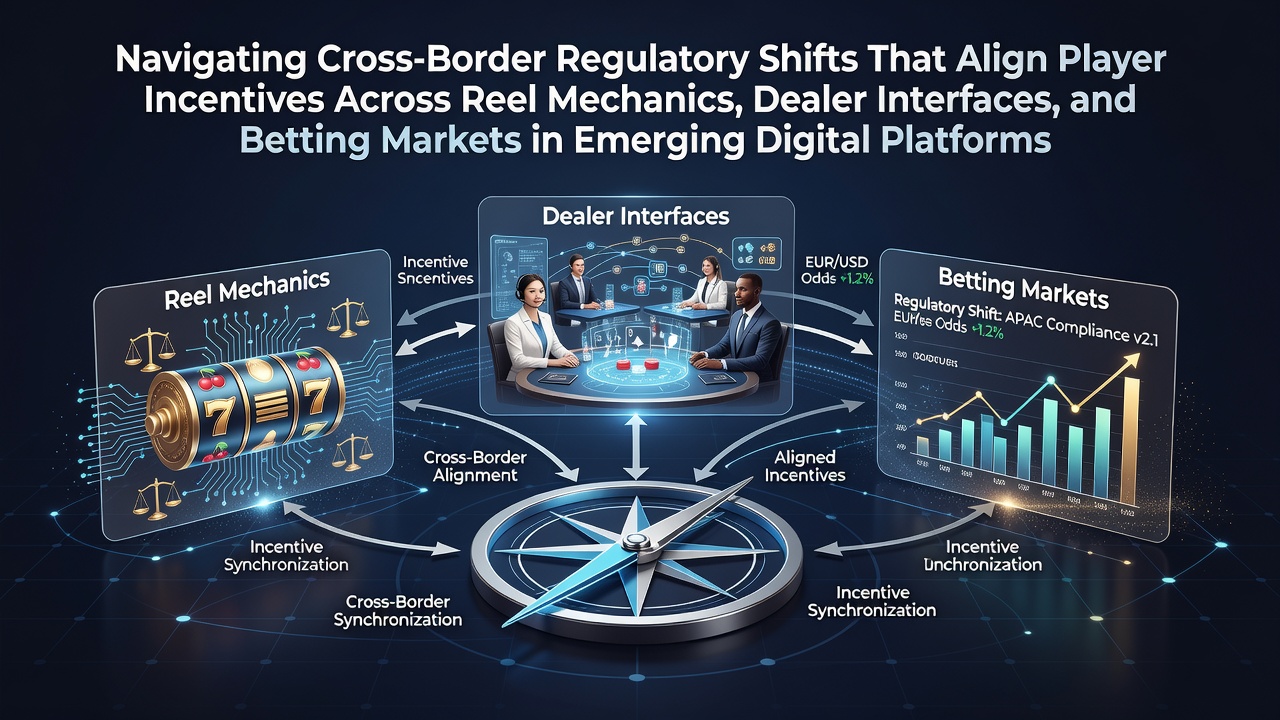
Navigating Cross-Border Regulatory Shifts That Align Player Incentives Across Reel Mechanics, Dealer Interfaces, and Betting Markets in Emerging Digital Platforms
Regulatory frameworks across multiple jurisdictions continue to evolve in ways that directly influence how digital platforms structure rewards for slot mechanics, live dealer interactions, and sports or event-based betting markets, with changes in August 2026 highlighting new compliance requirements in several key regions.
Shifting Rules Across Borders
Countries and regional authorities adjust licensing conditions, tax structures, and player protection measures at different rates, which creates both challenges and opportunities for operators who must synchronize incentive programs so that participants experience consistent value whether they engage with reel-based games, streamed dealer sessions, or market prediction tools. Data from the European Commission shows that harmonization efforts in select member states have led to standardized reporting on bonus structures, while separate rules in North American and Asian markets maintain distinct thresholds for payout transparency and responsible play limits.
Operators track these variations because incentive alignment depends on matching reward mechanisms to local expectations without violating cross-border data transfer rules or advertising restrictions. In practice, this means reel mechanics often incorporate jurisdictional modifiers that adjust volatility or bonus frequency based on player location, whereas dealer interfaces require real-time verification layers that confirm age and self-exclusion status before sessions begin.
Reel Mechanics Under Regulatory Pressure
Slot systems face specific mandates around random number generation certification and progressive jackpot contributions that differ by territory, forcing platform developers to build modular engines capable of switching parameters without disrupting user sessions. Research indicates that jurisdictions in the Asia-Pacific region have introduced tighter controls on feature buy options since early 2026, requiring operators to display clear probability disclosures that also apply when those same mechanics feed into multi-game loyalty schemes.
These technical adjustments support broader incentive alignment because players receive rewards that remain proportional across different game types even when underlying mathematics must comply with varying return-to-player floors. Observers note that successful implementations use centralized player accounts to carry progress metrics from one regulatory environment to another without exposing operators to double taxation or mismatched bonus eligibility.
Dealer Interfaces and Live Interaction Standards
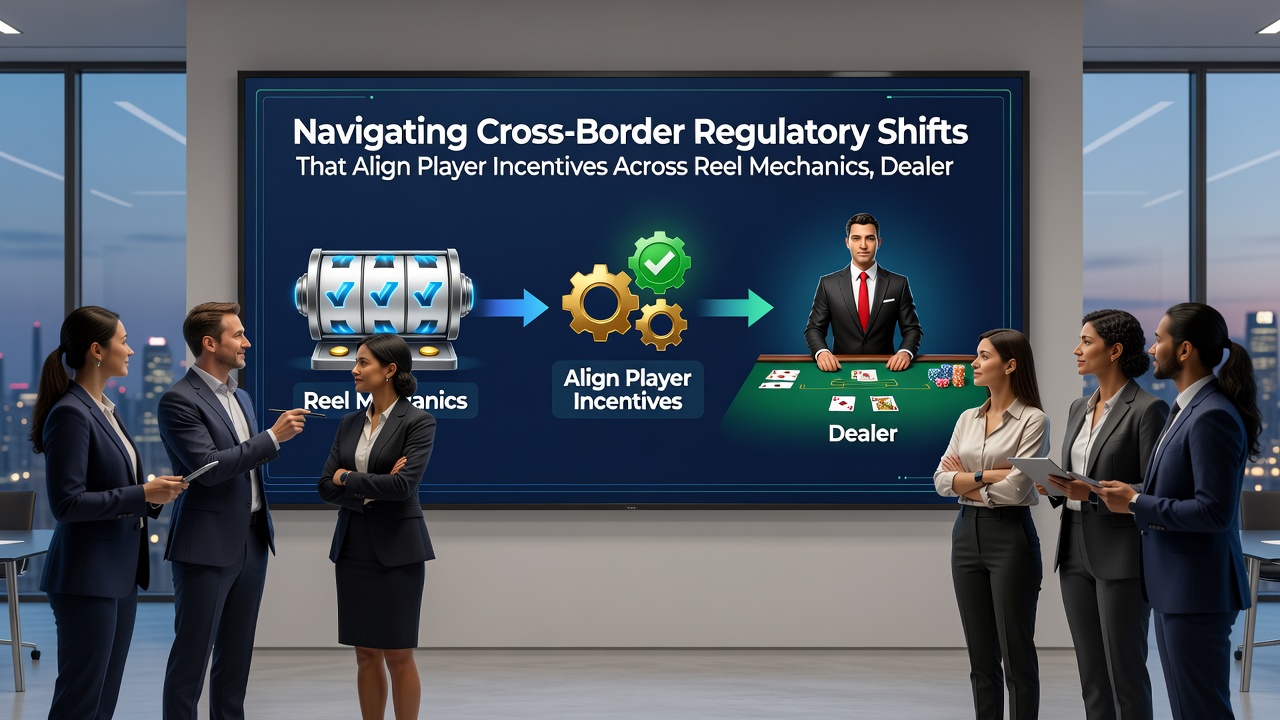
Live dealer platforms encounter additional layers of oversight because streamed content crosses borders in real time, prompting authorities to require dual licensing in some cases and enhanced identity checks that integrate with betting market feeds. Figures from the Malta Gaming Authority reveal that updated guidelines released in mid-2026 emphasize audit trails for all dealer decisions and tip distributions, measures that also influence how loyalty points convert between table play and sports wagers.
Integration happens through unified dashboards that display available incentives in a single view, allowing participants to see how table session activity contributes to reel unlockables or betting market credits. Those who have examined platform architectures report that API connections between dealer software and sportsbook engines now incorporate regulatory flags that pause or modify promotions when a player crosses into a stricter jurisdiction.
Betting Markets and Incentive Synchronization
Event-based wagering markets operate under rules that frequently limit bonus types and require clear separation between chance-based and skill-prediction elements, yet emerging platforms seek to link these markets with reel and dealer rewards through shared wallet systems and tiered loyalty programs. According to reports published by the Australian Communications and Media Authority, cross-border operators have adopted geo-fencing combined with account-level preference settings to maintain compliance while preserving reward continuity for users who travel or change primary jurisdictions.
What's interesting is how these technical solutions reduce friction that previously forced players to manage separate balances for slots, tables, and sports. Data shows that platforms using single-profile architectures experience higher retention when regulatory updates are absorbed at the backend rather than through visible feature restrictions.
Emerging Platforms and Future Alignment
New digital environments incorporate machine learning models that predict regulatory impact on incentive structures before full rollout, enabling preemptive adjustments that keep player value consistent. Industry associations such as the European Gaming and Betting Association have documented case studies where operators successfully mapped reel, dealer, and market incentives against multiple licensing regimes in a single development cycle.
These approaches rely on modular compliance engines that update automatically when August 2026 rule changes take effect in additional territories, ensuring that reward multipliers and eligibility criteria remain synchronized even as local authorities revise tax rates or advertising codes.
Conclusion
Cross-border regulatory shifts continue to reshape how digital platforms connect reel mechanics, dealer interfaces, and betting markets through aligned incentive systems, with technical adaptations and unified data frameworks serving as primary tools for maintaining operational consistency across jurisdictions. Evidence from multiple regulatory bodies indicates that operators who invest in flexible backend architectures achieve smoother transitions when new requirements emerge, supporting sustained player engagement without compromising compliance obligations.