Decoding Regulatory Threads That Weave Reel Progressions, Host Interactions, and Athletic Markets Into Cohesive Digital Frameworks Across Border Zones
Written by Harper Keller · Oct 14, 2026
Decoding Regulatory Threads That Weave Reel Progressions, Host Interactions, and Athletic Markets Into Cohesive Digital Frameworks Across Border Zones
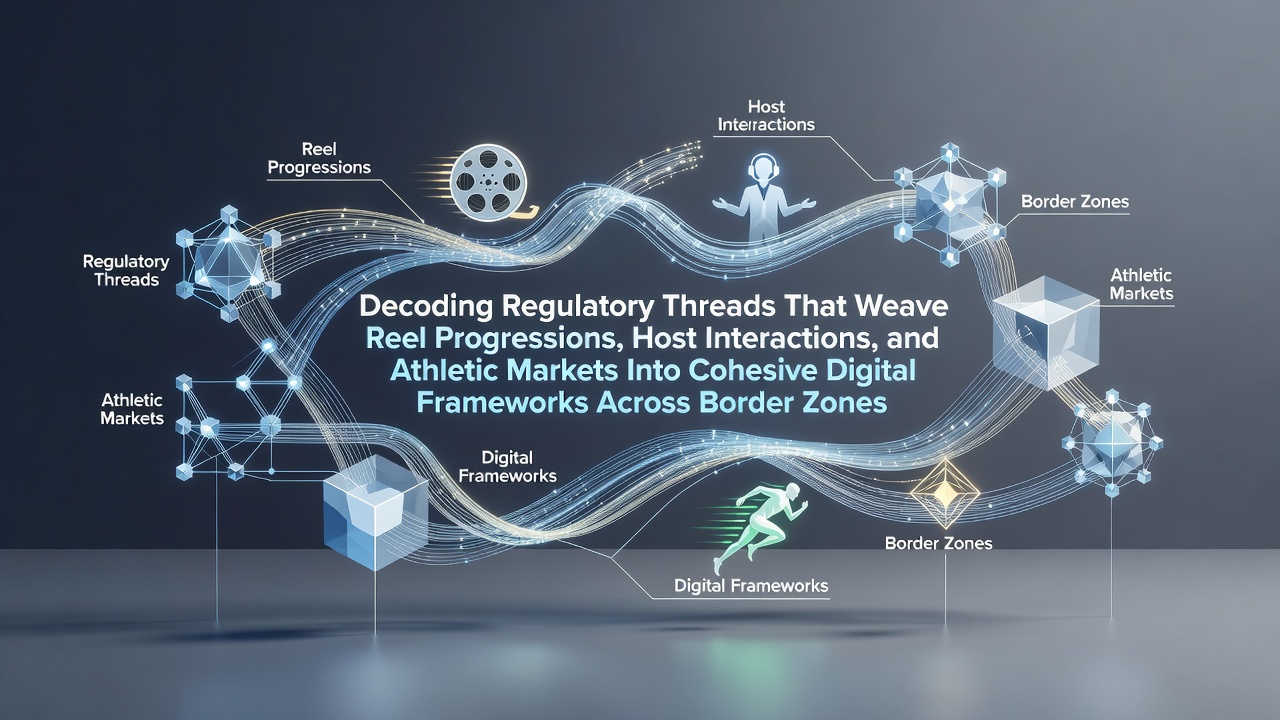
Regulatory systems in multiple jurisdictions now connect progressive reel mechanics, live host interactions, and athletic prediction markets through unified digital platforms that operate across borders, and these connections rely on licensing agreements, data-sharing protocols, and compliance standards that differ by region yet share common technical requirements.
Core Elements of Integrated Wagering Systems
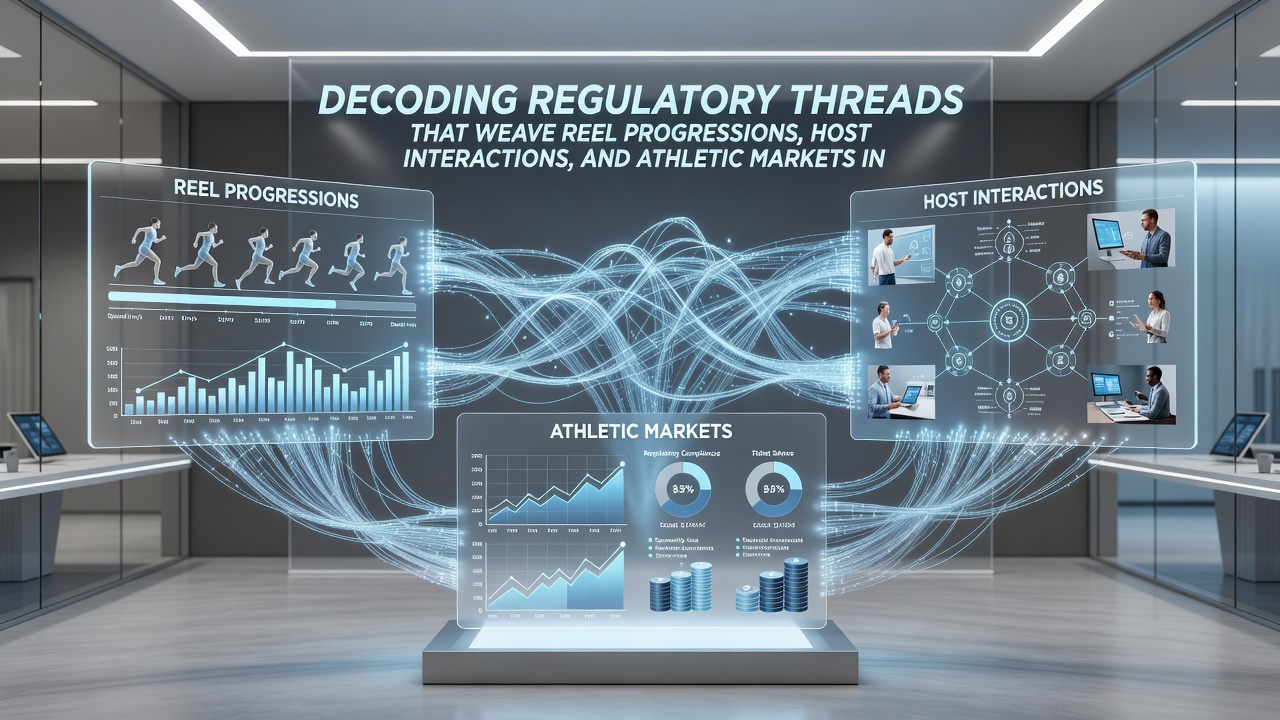
Reel progressions refer to slot features that accumulate prizes across linked machines or sessions, while host interactions cover live dealer tables streamed in real time, and athletic markets encompass sports event wagers placed through the same user accounts. Observers note that regulators in several markets require operators to maintain separate ledgers for each vertical even when users access all three through a single profile, and this separation supports audit trails that track fund movements between chance-based games, interactive dealer sessions, and event-based betting exchanges.
Data analytics platforms record player activity across these formats so that responsible gaming tools apply uniformly, and such tools include deposit limits and session reminders that function regardless of whether a user switches from reels to tables or to sports markets. Research from academic institutions shows that seamless transitions between these product types increase session duration when regulatory rules permit shared wallets, yet the same studies document higher compliance costs for operators that must reconcile records under multiple licensing regimes.
Jurisdictional Variations in Cross-Border Operations
European Union member states apply the principle of mutual recognition to certain gambling licenses, which allows operators licensed in one country to offer integrated reel, table, and sports products in others provided they meet local technical standards for random number generators and live-stream security. In contrast, individual U.S. states maintain independent licensing processes that often require separate approvals for each product category before an operator can combine them in a single mobile application accessible across state lines through geo-fencing technology.
Asia-Pacific regulators have introduced pilot programs that test unified frameworks for these three verticals, and one such program launched in October 2026 in a designated economic zone permits licensed platforms to route player funds between reel progressions, dealer-hosted games, and regional sports exchanges under a common compliance dashboard. Figures from that pilot reveal that transaction reconciliation times decreased when operators adopted standardized API protocols that flag suspicious patterns across all three product types simultaneously.
Technical Standards and Data Governance
Operators must implement encryption standards that satisfy the strictest jurisdiction in which they hold licenses, and this requirement leads many platforms to adopt end-to-end encryption for all data flows between reel engines, live video streams, and sports book servers. Regulatory bodies in Canada and Australia have published guidelines that mandate regular third-party audits of these integrated systems, and the audits verify that progressive jackpot contributions from one region do not inadvertently influence prize pools available in another region where local rules prohibit such pooling.
Payment processors play a central role because they must segregate funds according to the originating product category while still permitting instant transfers when users move between reels, tables, and sports wagers. Industry reports indicate that blockchain-based settlement layers have been tested in several border zones to reduce reconciliation delays, although adoption remains limited to jurisdictions that have updated their financial technology regulations to recognize distributed ledger records as valid audit evidence.
Compliance Monitoring Across Product Categories
Monitoring agencies receive automated reports that aggregate player behavior metrics from all three verticals, and these reports help identify patterns that might indicate problem gambling or money laundering attempts that span multiple formats. In October 2026, several European regulators expanded their data-sharing agreements to include sports market activity alongside slot and live dealer metrics, which created a more complete view of cross-product exposure for individual accounts.
Training programs for compliance officers now cover the specific ways reel mechanics, live dealer interfaces, and athletic exchanges can be exploited when regulatory gaps exist between neighboring jurisdictions, and those programs emphasize the use of unified dashboards that highlight anomalies regardless of which product category generated the underlying transaction.
Conclusion
Regulatory threads that link reel progressions, host interactions, and athletic markets continue to evolve as more jurisdictions adopt digital frameworks capable of handling multi-product operations across borders. Technical standards for data security, fund segregation, and responsible gaming tools provide the common ground that allows these integrations to function while still respecting local licensing differences. Continued updates to audit protocols and cross-border data agreements will determine how far these cohesive systems expand in the coming years.