Decoding Adaptive Reward Pathways That Connect Automated Reel Progressions With Real-Time Dealer Simulations And Regional Athletic Markets Through Emerging Mobile Frameworks
Written by Mia Perry · Aug 21, 2026
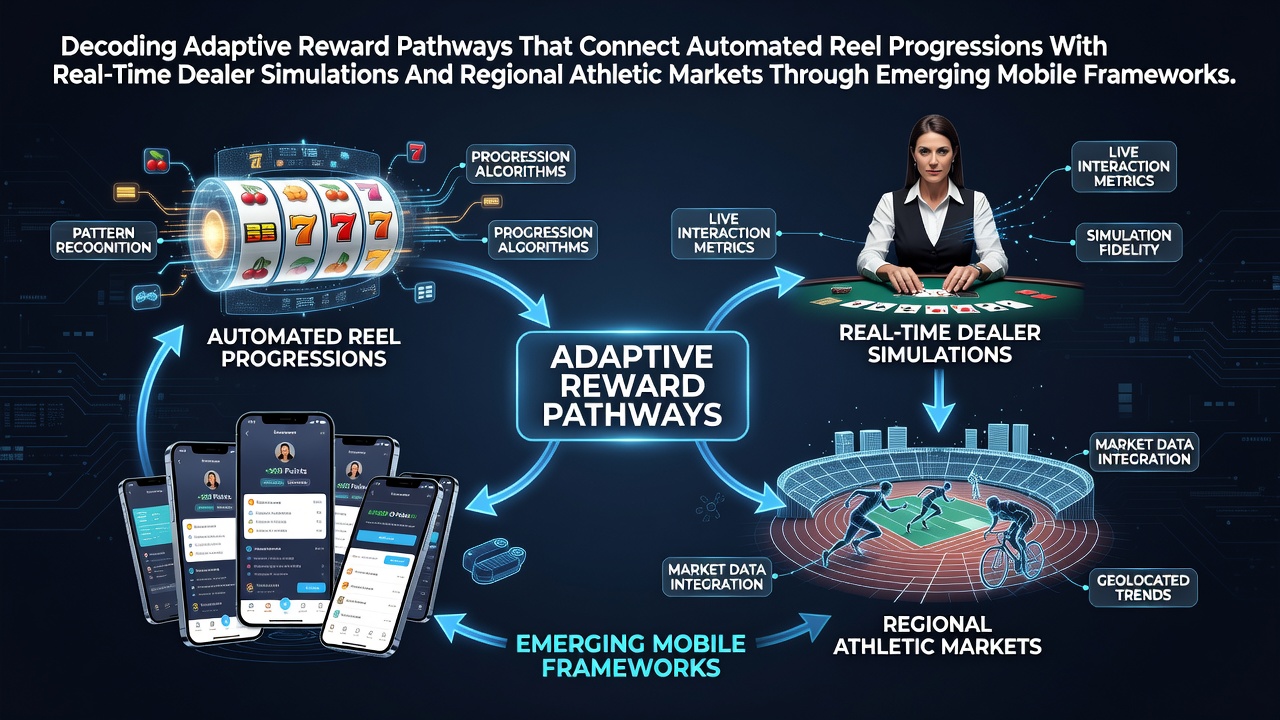
Decoding Adaptive Reward Pathways That Connect Automated Reel Progressions With Real-Time Dealer Simulations And Regional Athletic Markets Through Emerging Mobile Frameworks
Adaptive reward pathways represent structured systems that link player activity across automated reel progressions, real-time dealer simulations, and regional athletic markets within unified mobile applications, and these pathways adjust point accumulation, bonus eligibility, and tier progression based on combined engagement metrics rather than isolated game categories. Operators deploy these mechanisms through centralized player profiles that track spins on digital reels alongside interactions with streamed dealer sessions and wagers placed on athletic events, then convert that activity into transferable rewards such as free spins, table credits, or enhanced odds in betting exchanges.
Core Elements of Integrated Reward Structures
Automated reel progressions generate base data points through spin frequency, bet sizing, and outcome sequences, while real-time dealer simulations contribute separate metrics drawn from session duration, game variety selection, and decision patterns at virtual tables. Regional athletic markets add layers via bet types, stake volumes, and event categories, and mobile frameworks merge these inputs into single adaptive algorithms that recalculate reward rates dynamically. Observers note that such integration requires standardized data protocols so that activity in one segment influences eligibility thresholds in others without manual player intervention.
Developers implement these connections using application programming interfaces that feed live session information into central reward engines, and this setup allows multipliers or cashback percentages to scale according to total cross-format volume recorded within defined time windows. Research from the American Gaming Association indicates that platforms adopting unified tracking saw measurable shifts in player retention patterns during 2025 and into mid-2026, particularly where reward adjustments responded to mixed activity rather than single-format loyalty alone.
Mobile Frameworks Supporting Cross-Format Connectivity
Emerging mobile frameworks rely on cloud-based synchronization and progressive web application standards to maintain consistent reward states across devices, and these tools enable real-time updates when users switch between reel sessions, dealer streams, and athletic prediction interfaces. In August 2026 several operators reported expanded testing of 5G-optimized frameworks that reduced latency in reward notifications during simultaneous multi-format play, allowing points earned on one module to appear instantly in others. Data protocols within these frameworks enforce regional compliance rules while still permitting seamless progression tracking, which means reward pathways must incorporate location-based filters that adjust available athletic markets without disrupting ongoing reel or dealer accumulations.

Security layers within the frameworks encrypt transaction and activity logs that feed the adaptive engines, and this encryption supports audit trails required by multiple jurisdictions. European Gaming and Betting Association documentation outlines how such encryption standards align with cross-border data rules when mobile users access integrated platforms from varying regulatory zones. The result is a reward system that remains functional while respecting local restrictions on specific athletic market offerings or table simulation features.
Technical Mechanisms Behind Pathway Adaptation
Adaptive algorithms apply weighted scoring models that assign different values to reel activity versus dealer engagement versus sports wagers, and these weights can shift according to operator objectives or seasonal market conditions. For instance, a pathway might increase the conversion rate from athletic market stakes into table credits during periods of high reel player volume, thereby balancing platform traffic across formats. Machine learning components analyze historical player sequences to predict which reward adjustments maintain engagement levels, yet the underlying logic remains deterministic enough for regulatory review and reporting.
Case examples from operators in multiple markets show that players who distribute activity evenly across the three segments often reach higher reward tiers faster than those focused on single categories, and this outcome stems directly from the additive structure of the pathways rather than promotional multipliers. The pathways also incorporate decay functions that reduce unused points after set intervals, encouraging continued cross-format participation to sustain accumulated benefits.
Conclusion
These reward pathways continue to evolve as mobile frameworks incorporate additional data sources and compliance modules, and the connections between automated reels, dealer simulations, and athletic markets rest on precise technical integration rather than separate loyalty programs. Continued development in this area centers on refining algorithm transparency and expanding geographic coverage while maintaining the core function of converting diverse play patterns into unified player benefits.